01 / Identity
Show what makes it distinctive.
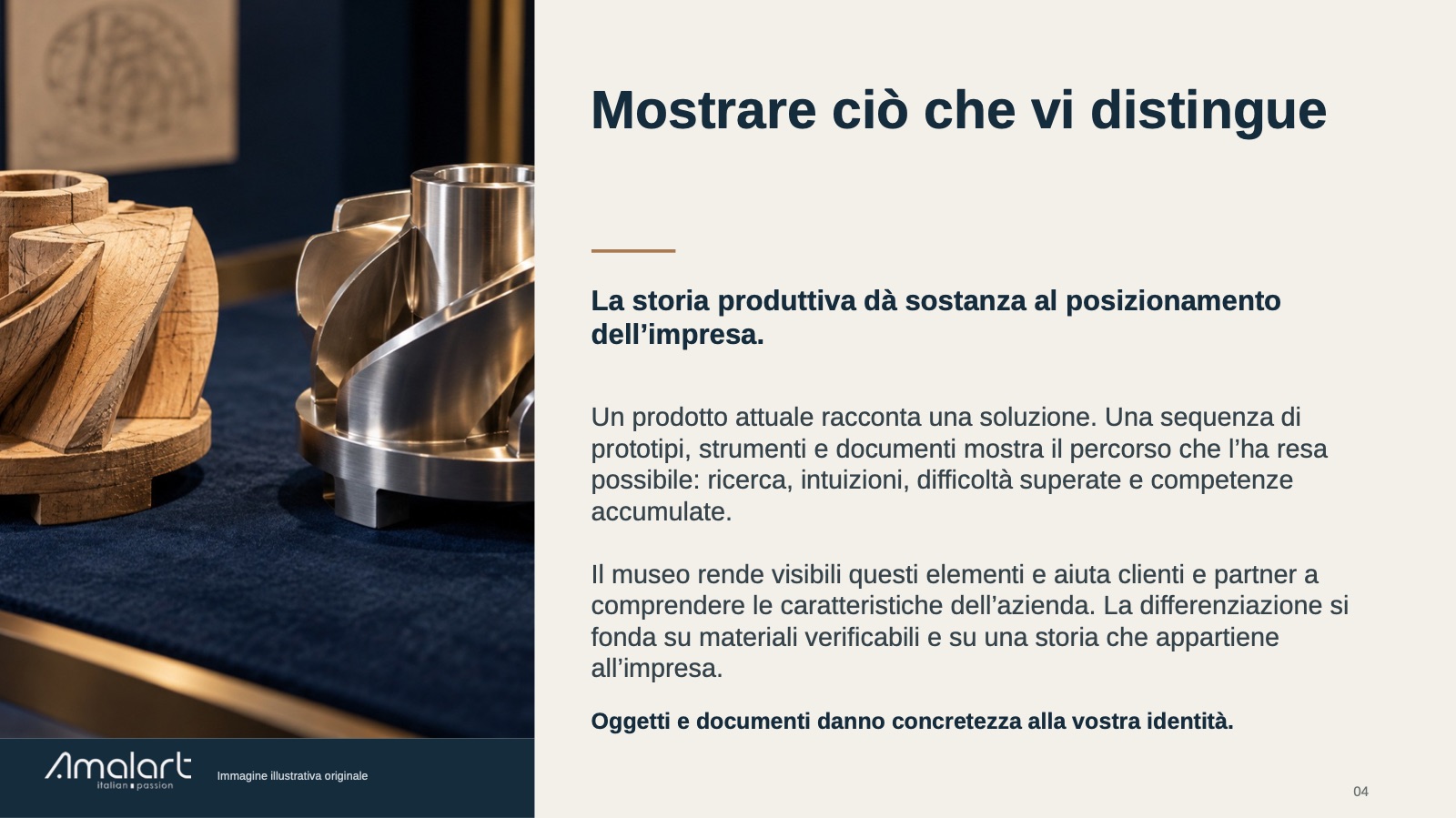
A sequence of prototypes and documents shows the path that made a product possible, not only the product itself.

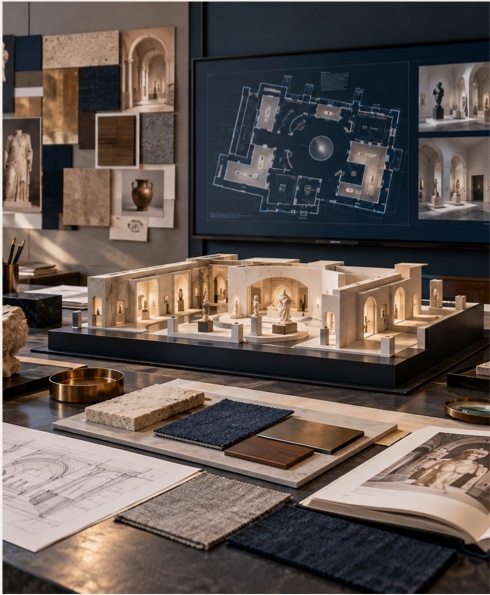
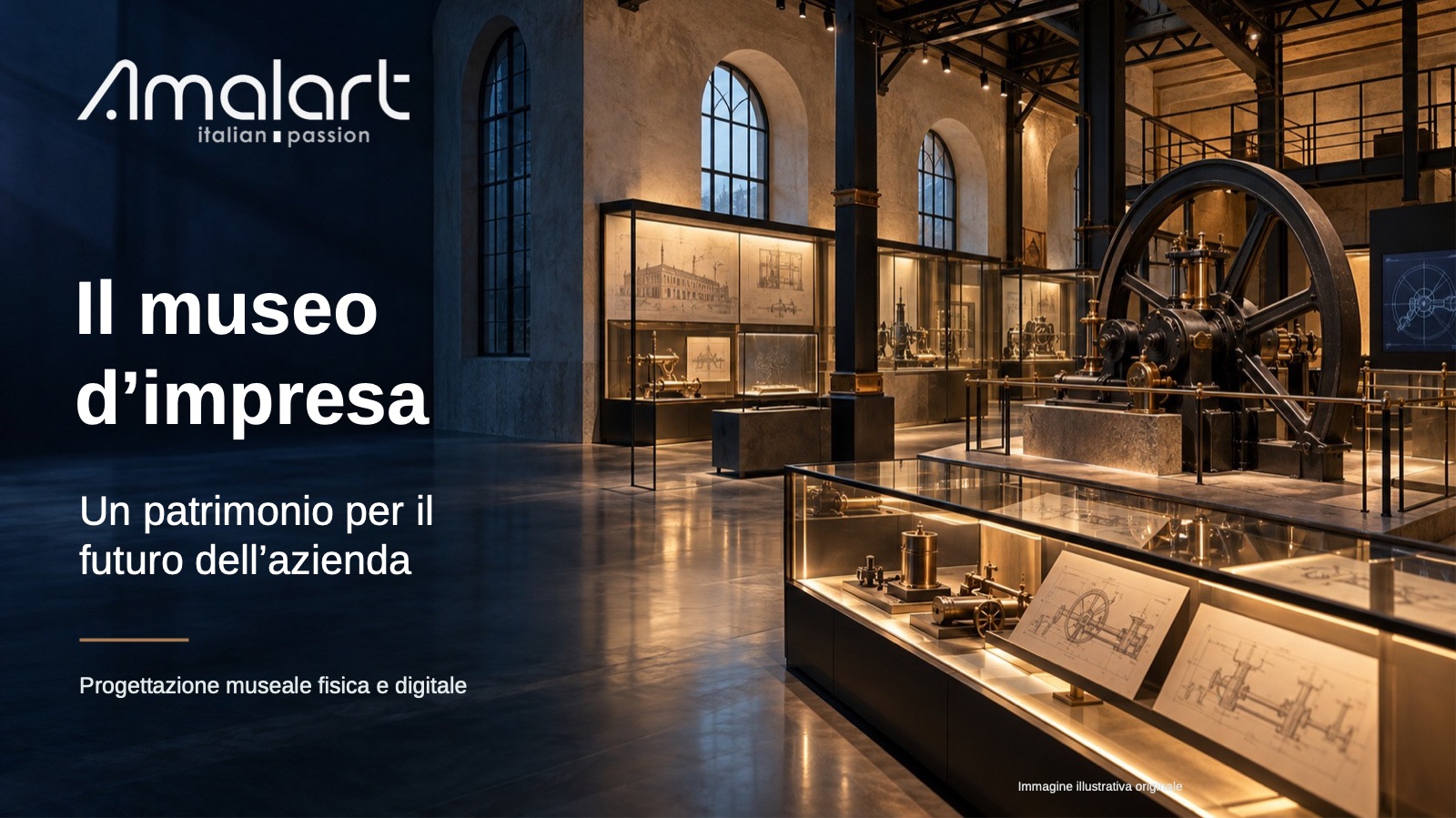 Project visualisation
Every company holds evidence of the choices that shaped its growth.
Products, prototypes, tools, technical drawings, samples, photographs and personal accounts are often dispersed across departments, offices and stores. A corporate museum begins with this tangible heritage: selecting it, preserving it and making it understandable.
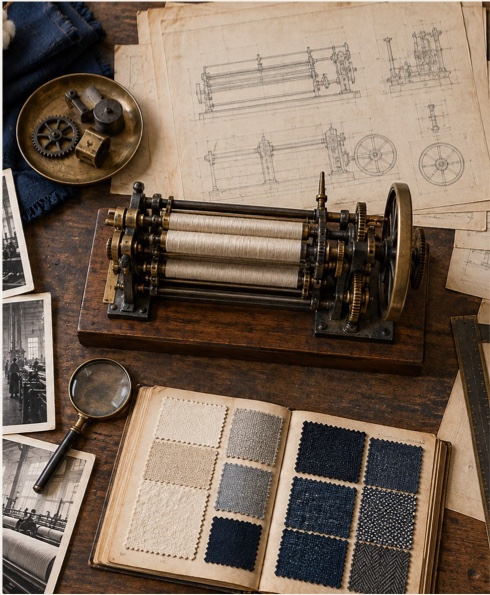
The museum does not add an artificial story. It makes visible the expertise, decisions and relationships a company has built over time.
A sequence of prototypes and documents shows the path that made a product possible, not only the product itself.
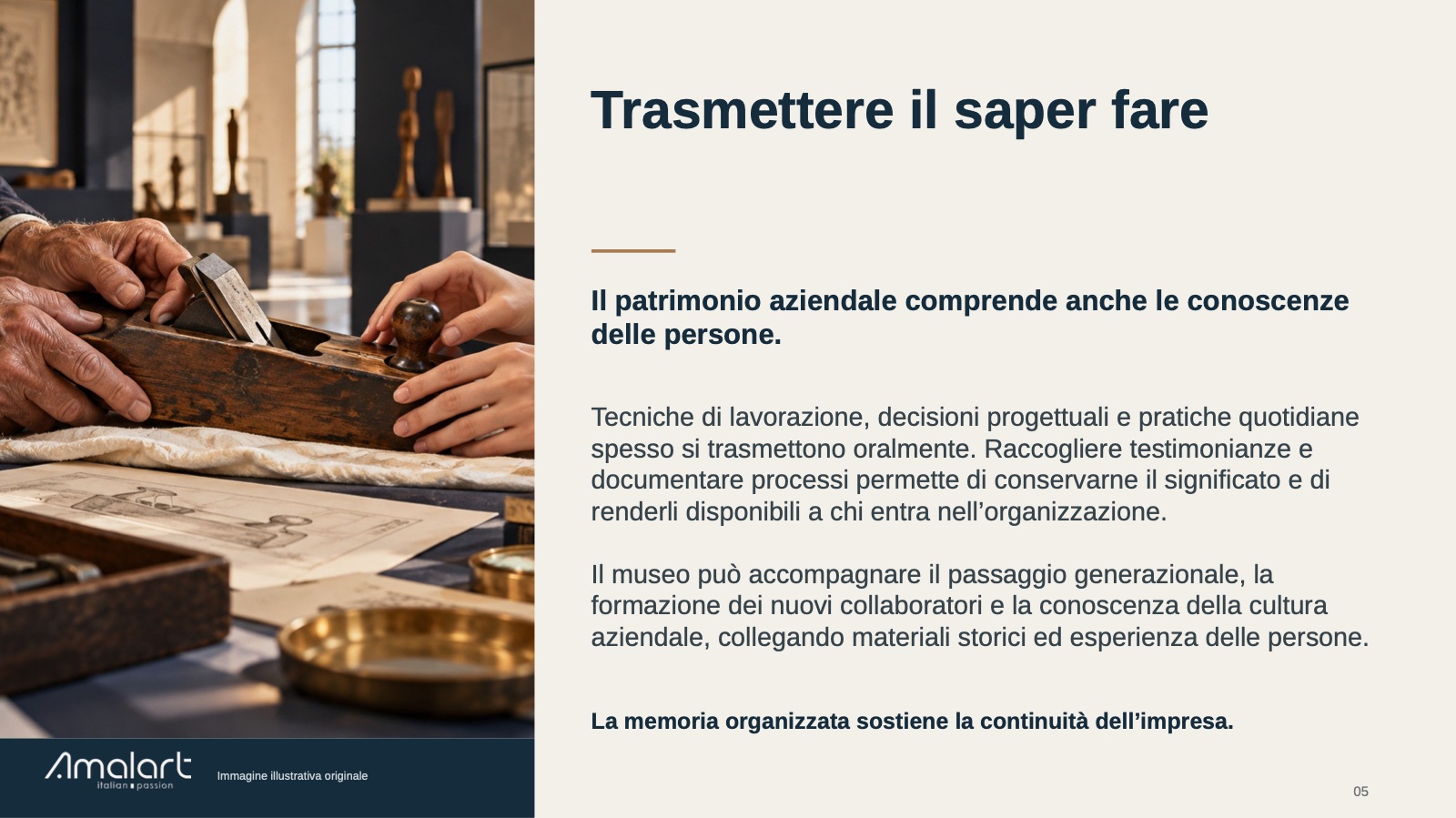
Techniques and decisions shared by word of mouth become part of the organisation's heritage, supporting generational transitions and training.
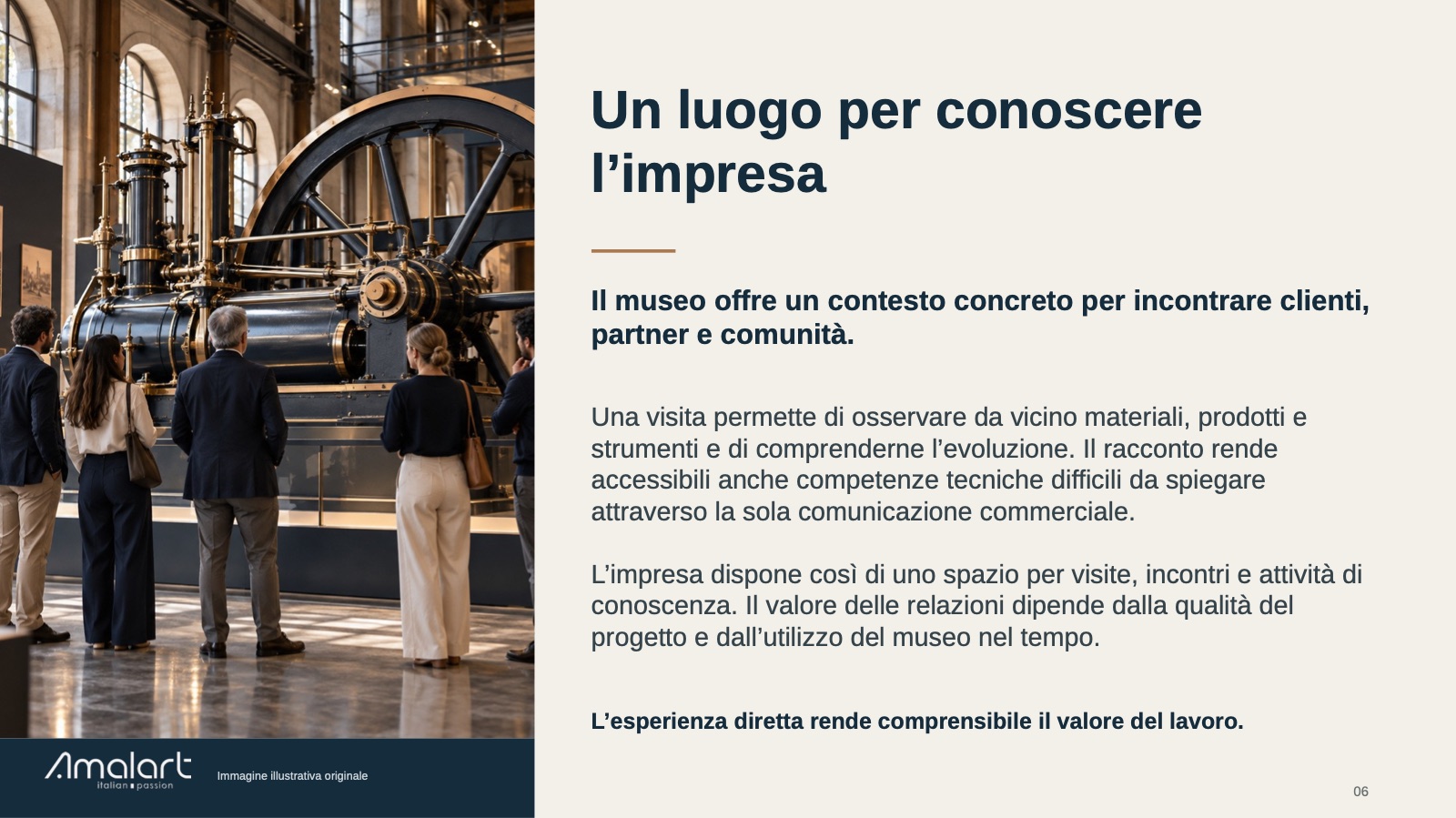
A visit makes expertise understandable in ways that commercial communication can struggle to achieve.
The company's history becomes part of Lombardy's industrial history and a resource for schools and communities.
From the initial heritage survey to the payment of the grant, content, space, requirements and delivery form a single process.
Identify materials, personal accounts and the main themes of the company's history.
Define the narrative, collections and visitor experience.
Space, exhibition design and digital content developed as one project.
Develop an application that meets the requirements of the public funding call.
Coordinate content, expertise and suppliers.
Document the work and support the company through to payment of the grant.
Reconstructing a company's history also means identifying and describing what it preserves: inventories, provenance, dates of use and original documents. This documentation supports the protection of its heritage and distinctive signs, from trade marks to designs.
On legal matters, Amalart works with BMLEX, a Milan law firm specialising in industrial and intellectual property. The collaboration supports projects from the heritage survey to the application.
bmlex.it ↗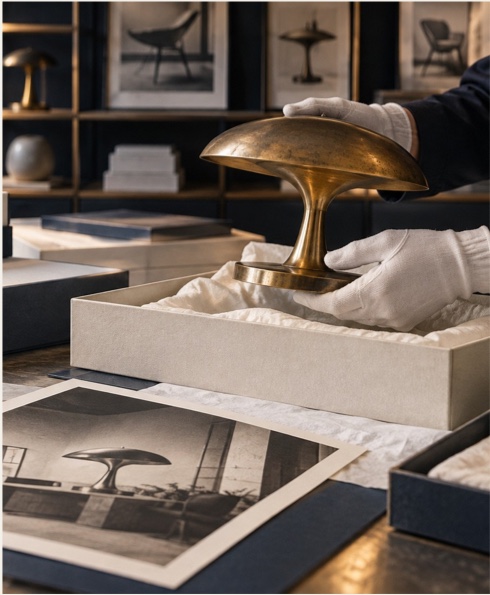
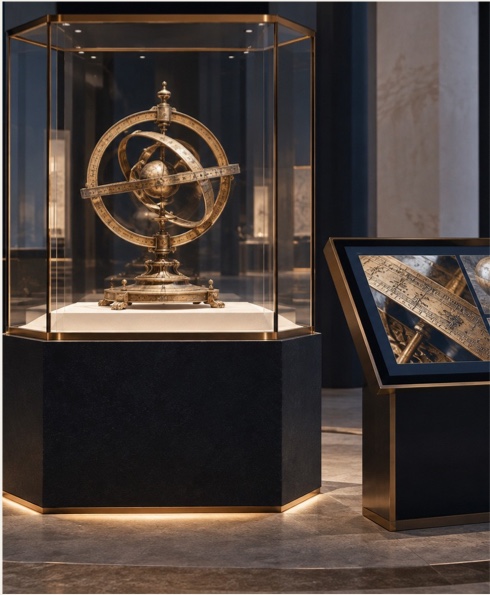
Every element of the exhibition design must help visitors understand. Technologies are selected for their practical purpose: showing a process, hearing a personal account or connecting an object to documents that tell its story.
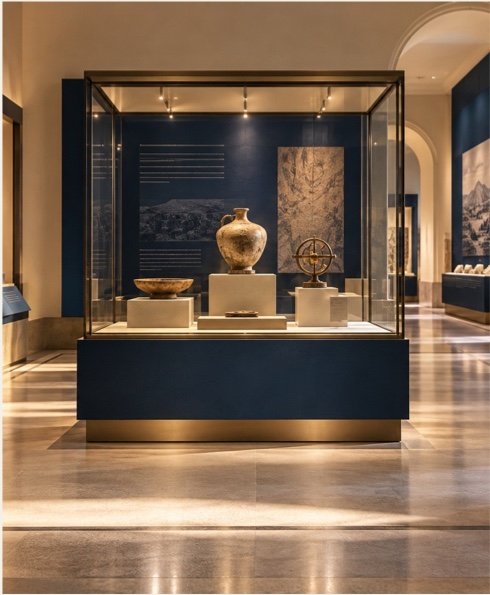
The method remains the same. Each narrative grows from the company's own materials.
Regione Lombardia supports the creation and development of corporate museums through a dedicated public funding call. The heritage survey, concept and budget can be prepared before applications open. They provide the basis for a well-founded application.
Figures updated for the 2026 callRequirements, conditions and the availability of funding must be checked for each new call. The grant enables the project; the value of the heritage exists independently of it.
You do not need a fully defined museum project. Our first conversation explores what exists, the story it can reveal and the form it could take.