One work
In Milan, The Last Supper was presented to audiences through a new narrative, first in Via Vivaio and then at Expo. The exhibition project →

Amalart's work on Leonardo develops in stages. Each project leads to the next, turning a temporary experience into a permanent presence.
In Milan, The Last Supper was presented to audiences through a new narrative, first in Via Vivaio and then at Expo. The exhibition project →
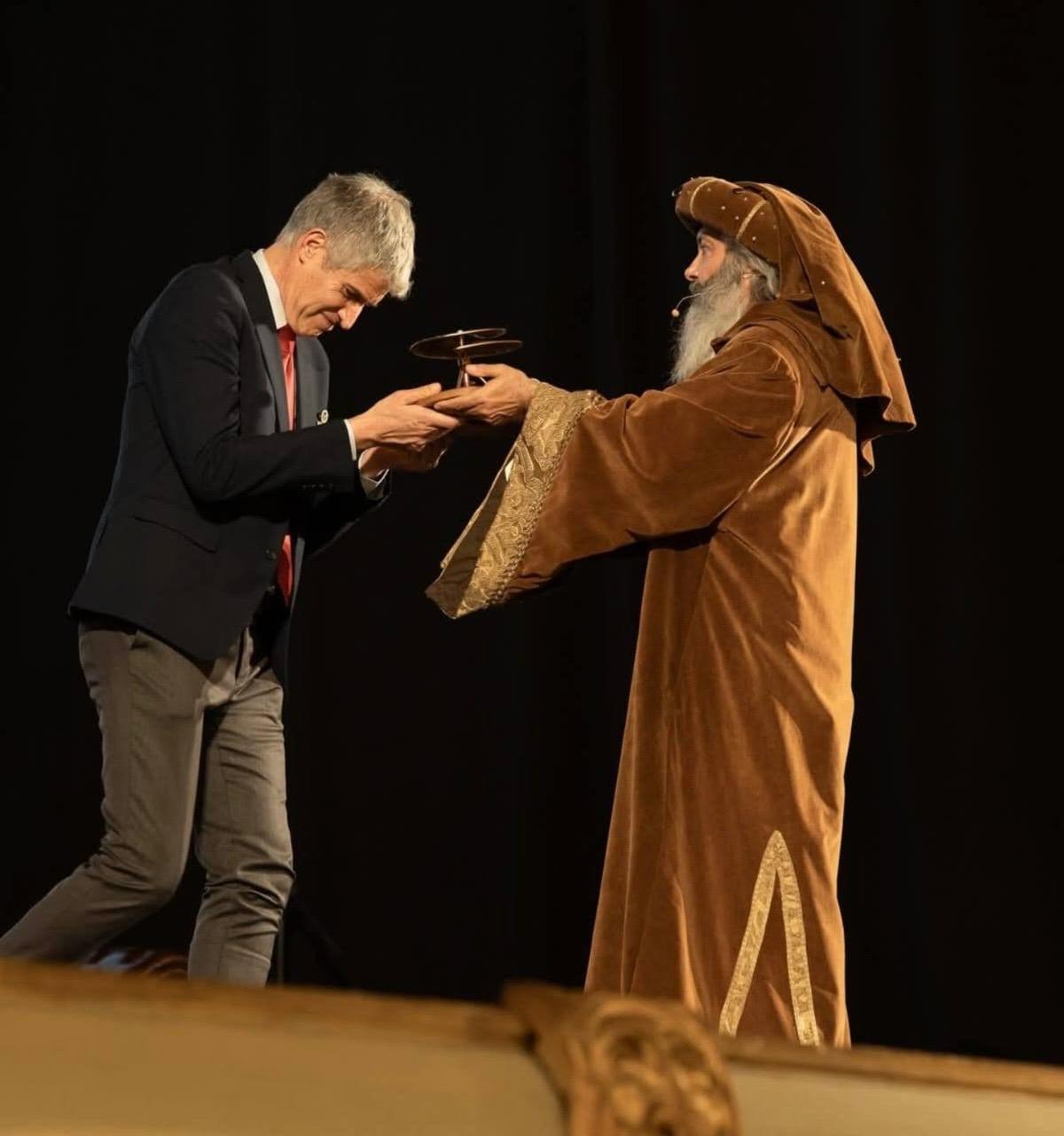
The scope broadened. The narrative approach developed around The Last Supper became a travelling exhibition on Leonardo's life, work and method. “Nel segno del Genio”, presented at the Museo Leonardo da Vinci in Florence in July 2021, established the relationship with the Collezione Niccolai. The fifteen machines for Sanya come from this collection.
In Sanya, the project takes a permanent form: a museum, the Leonardo da Vinci Study Centre and sustained work between Italy and China.
Sanya is where work begun in 2015 becomes a permanent institution.
The museum begins with Leonardo's working method: observing nature, testing ideas and bringing art and science together as ways of understanding the world. This is the basis of Amalart's museological project for Sanya.
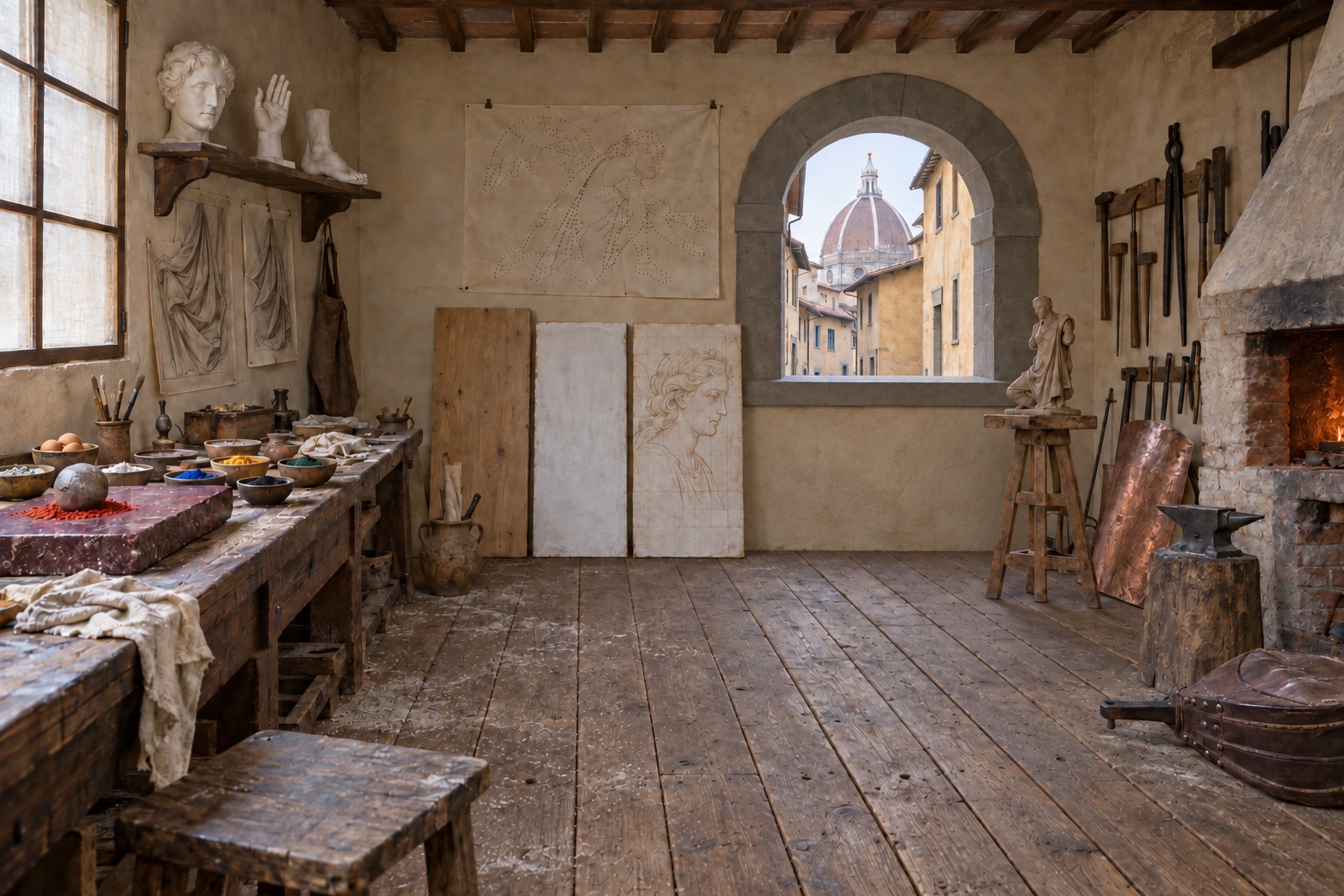
Define the concept, the sequence of the visitor journey and the relationship between works, machines, sources and digital content.
Physical reconstructions, facsimiles, films, light and sound accompany the objects without replacing them. The nature of each material remains recognisable.
Developed through dialogue with Chinese partners, the narrative gives local audiences a way into Leonardo's world that also draws on their own history.
Amalart coordinates the people responsible for the content, specialists and Italian and Chinese partners, preserving clear responsibilities and attribution.
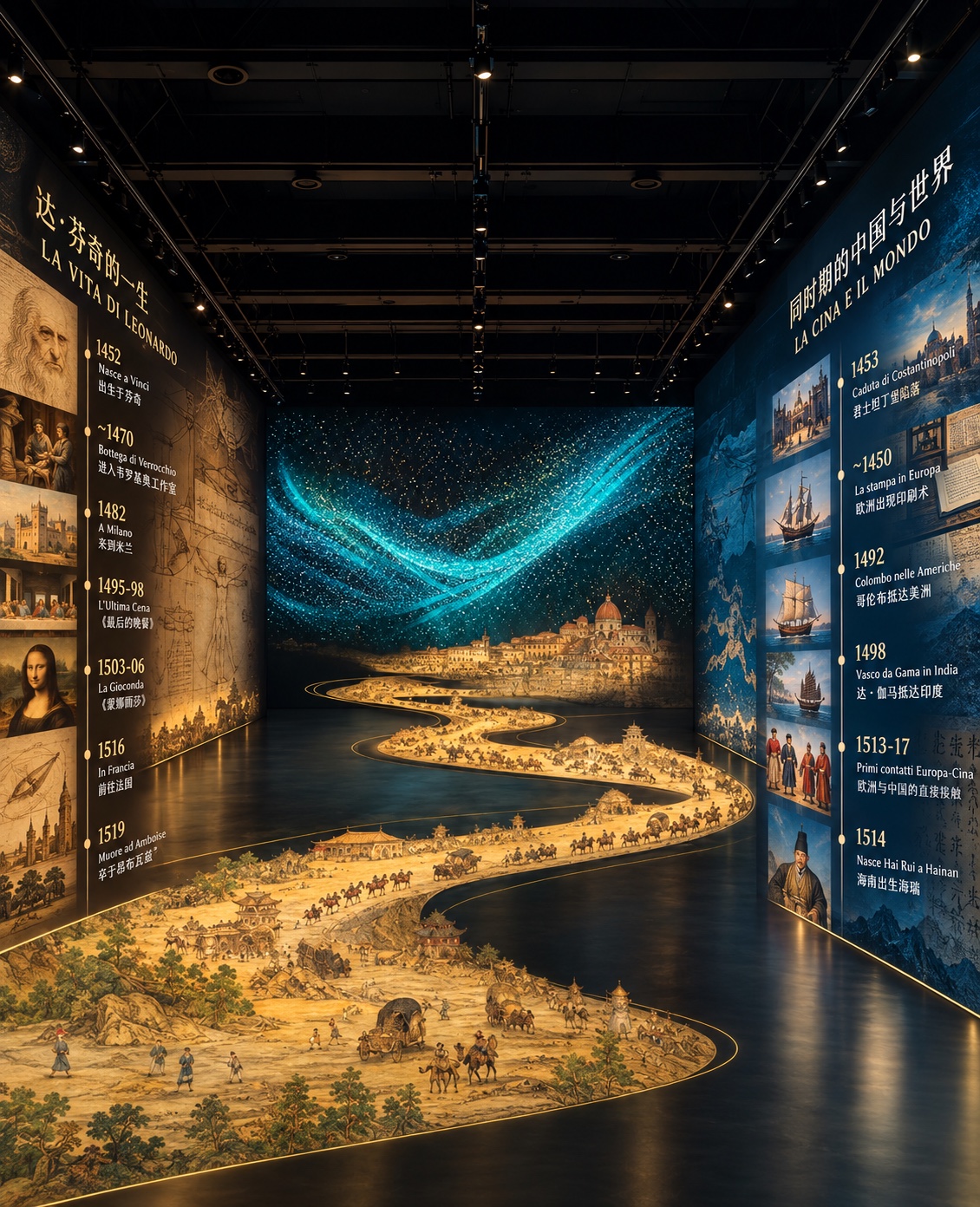
Before introducing Leonardo, the museum presents the world he lived in. Two parallel timelines cover 1452–1519: Italy and Europe on one side, China and Hainan on the other.
The two histories sit alongside each other without forced parallels. Chinese visitors can recognise their own history as they enter Leonardo's time.
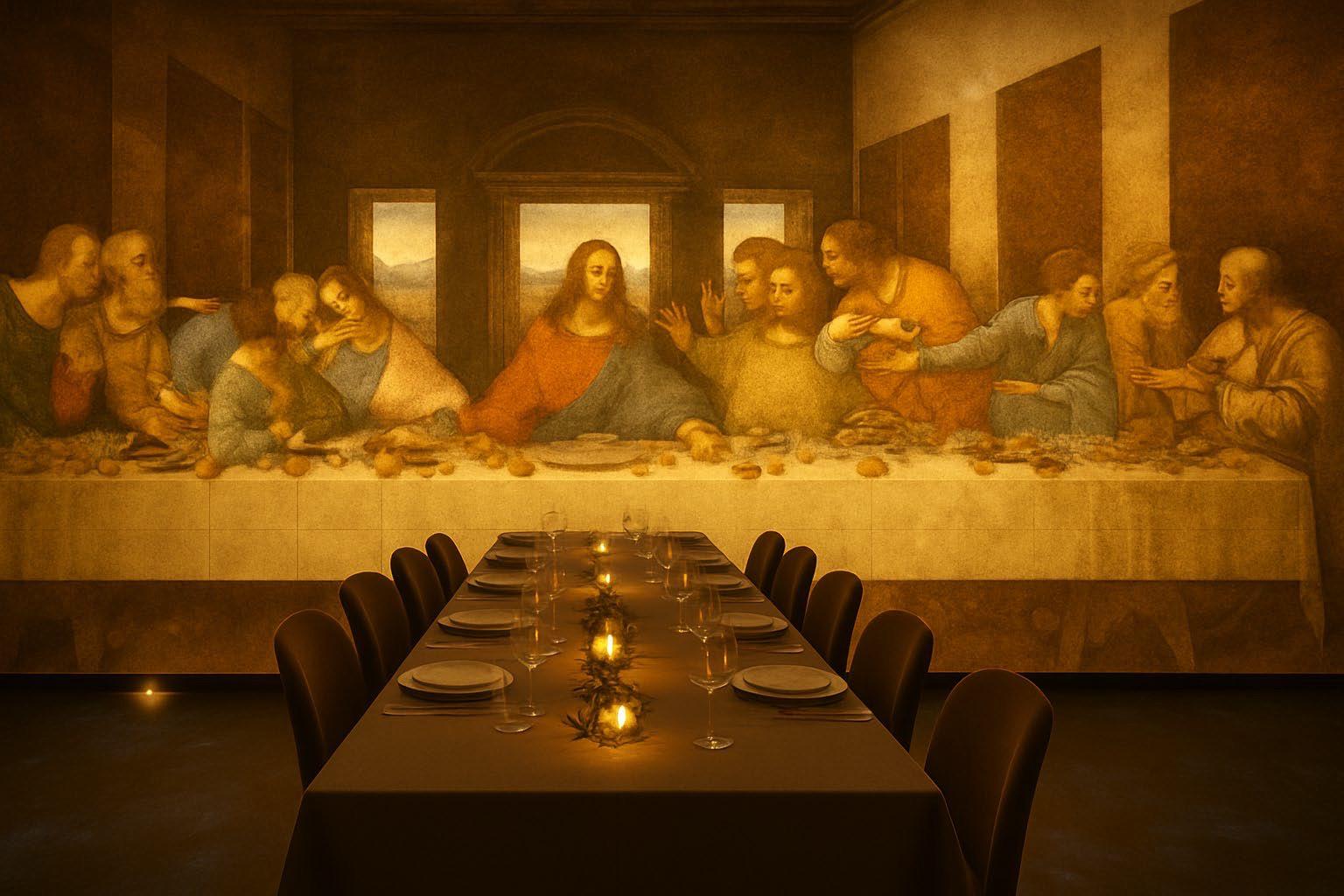 The Last Supper in Sanya · Project visualisation
In Sanya, The Last Supper returns as a spatial experience: a place to pause before the work and, at other times, to host cultural gatherings.
Twelve years after the Milan project, the work that began Amalart's approach becomes part of a permanent museum.
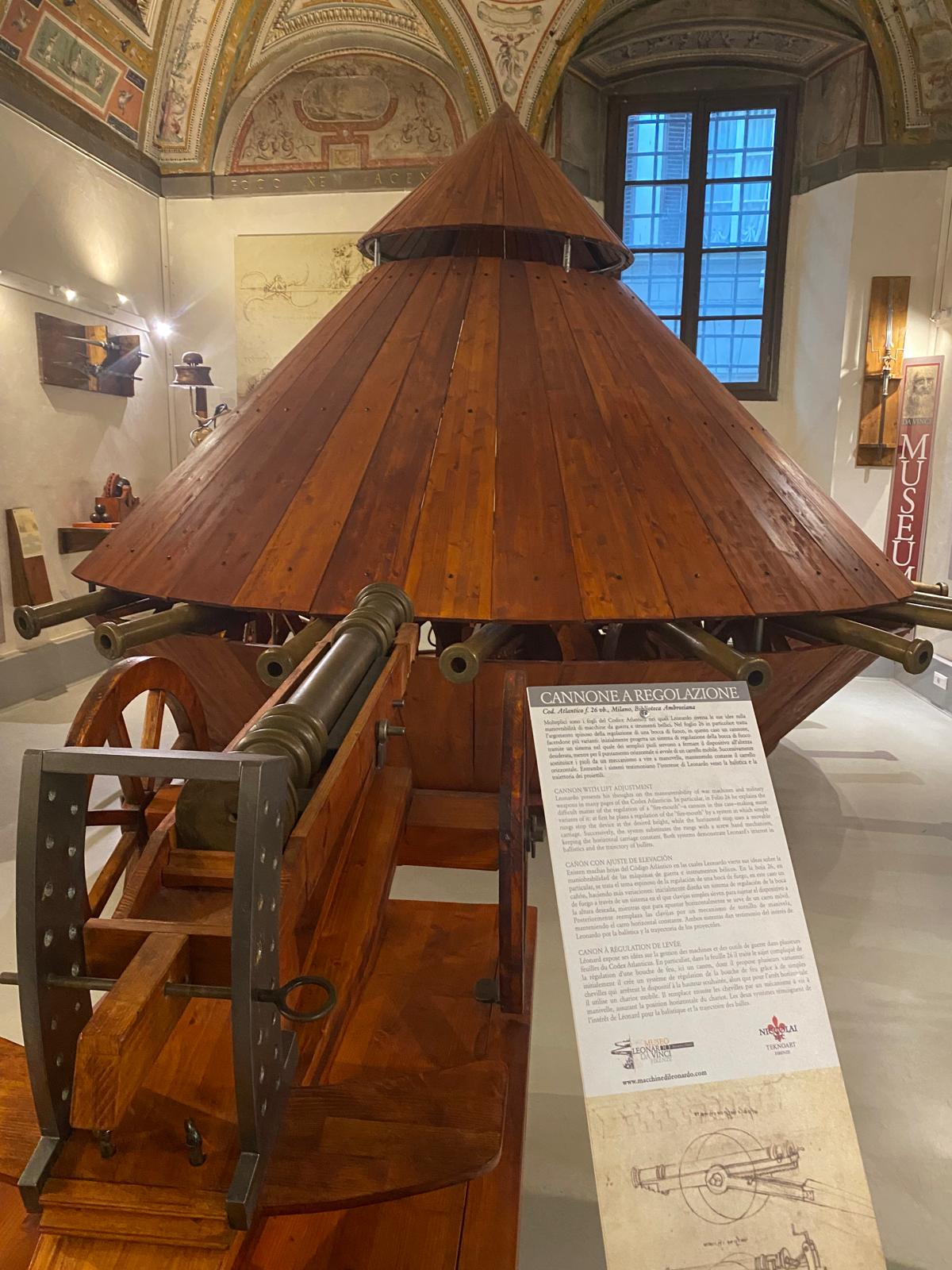
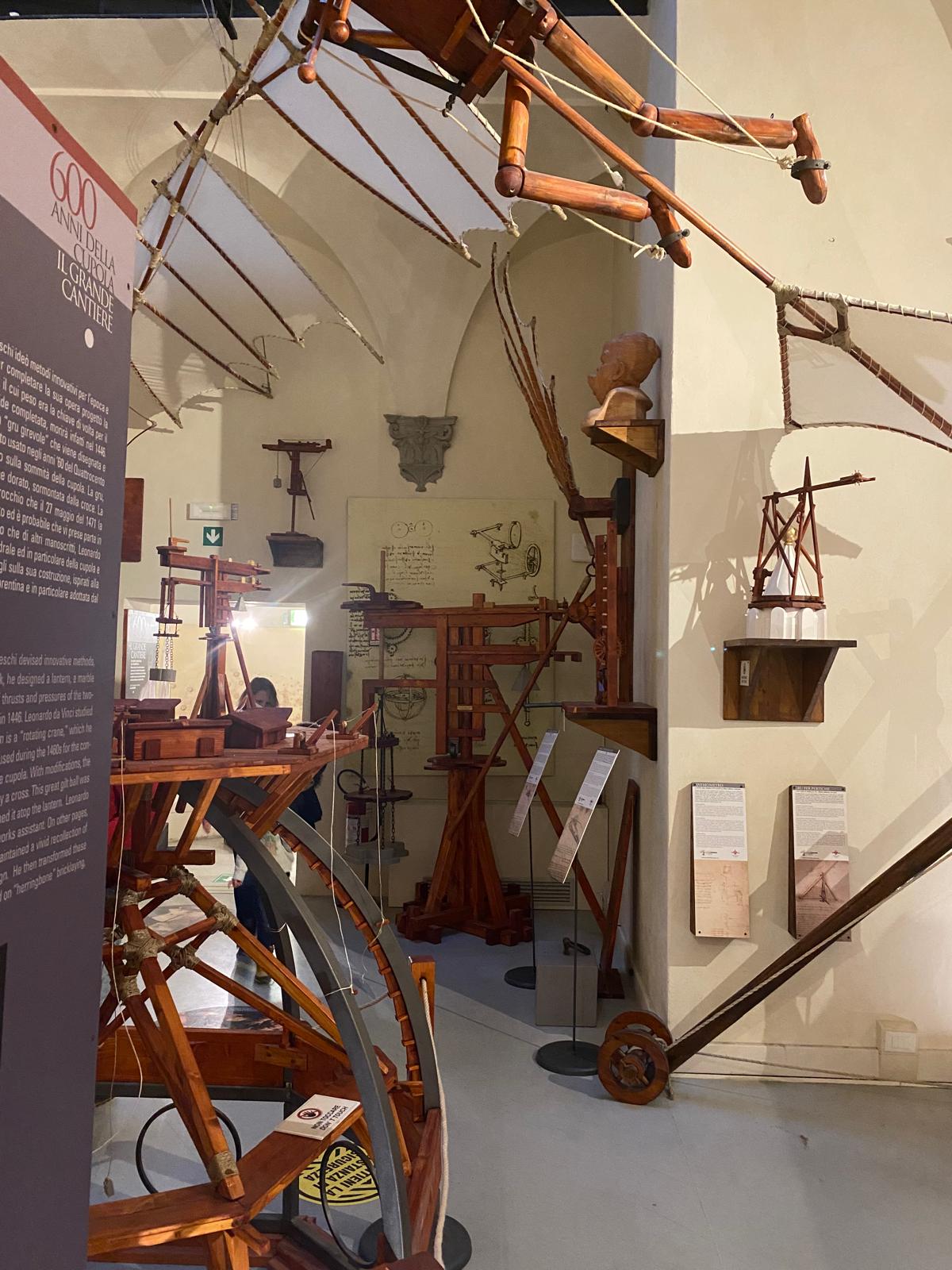
Fifteen machines from the Collezione Niccolai of the Museo Leonardo da Vinci in Florence, built from Leonardo's drawings, are presented alongside facsimiles of the Codices and digital content.
Sanya brings this heritage into an independent project developed for Chinese audiences, rather than reproducing the Florence museum.
Clear responsibilities. Amalart is responsible for museological and curatorial direction.
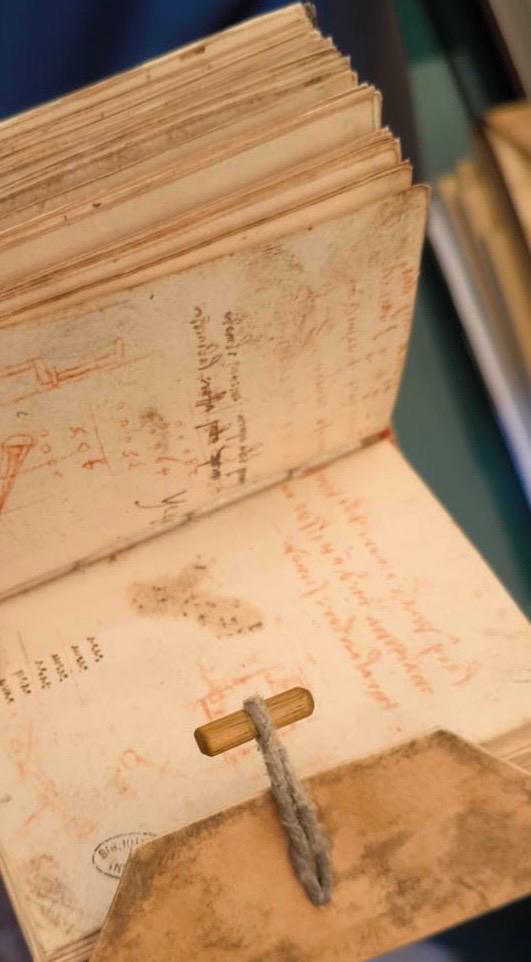
Open from the museum's launch, the Study Centre brings together complete facsimiles of the Codices, selected examples of which appear in the museum, and a library dedicated to Leonardo.
It is a place for research, education and cultural production. Scholars, schools and universities continue to develop knowledge beyond the visitor experience.
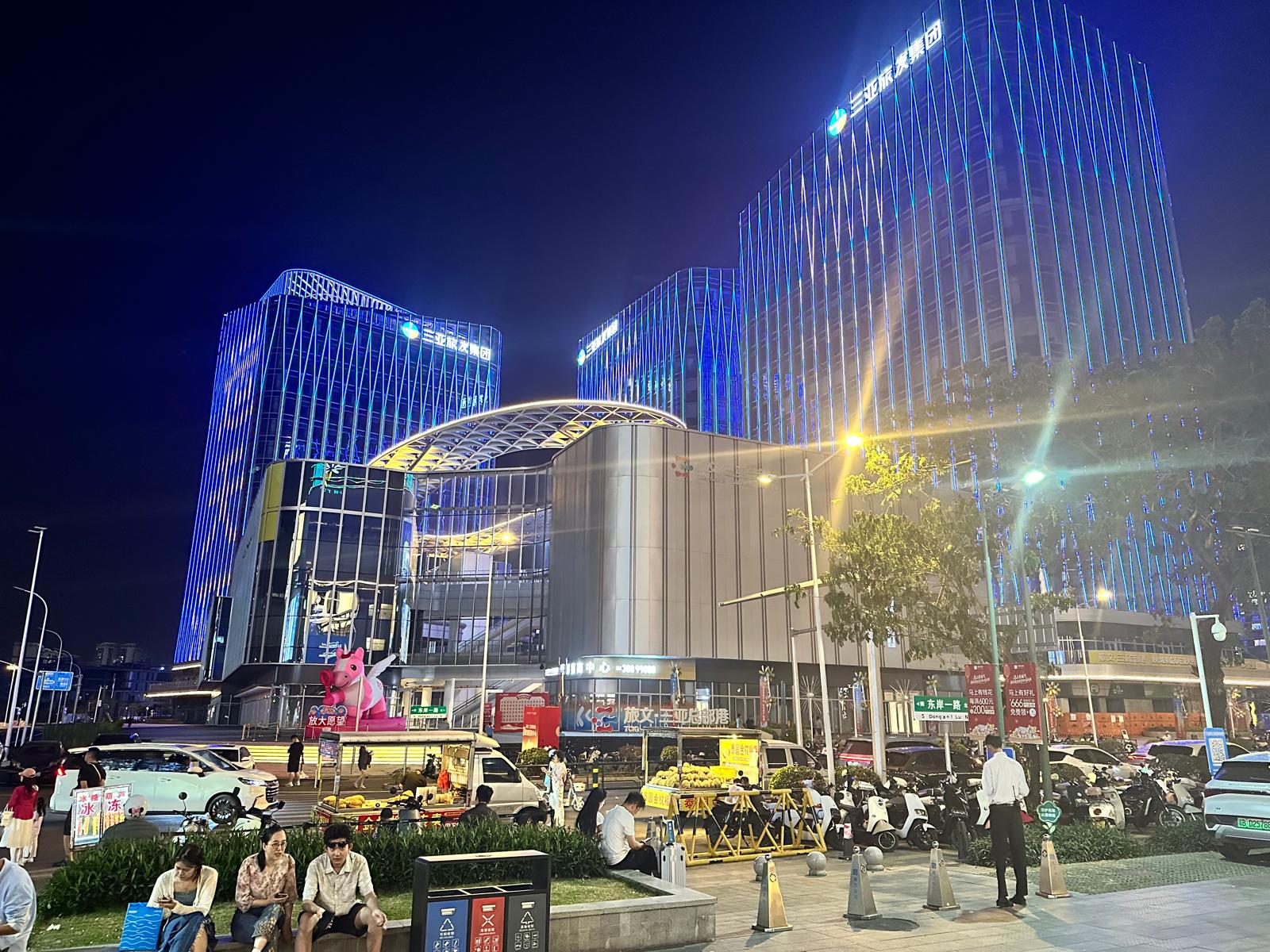
Scheduled opening: 2027
Lvwen Sanya HQ Port, Building A5, 10 Dong'an 1st Road, Jiyang, Sanya, Hainan, China
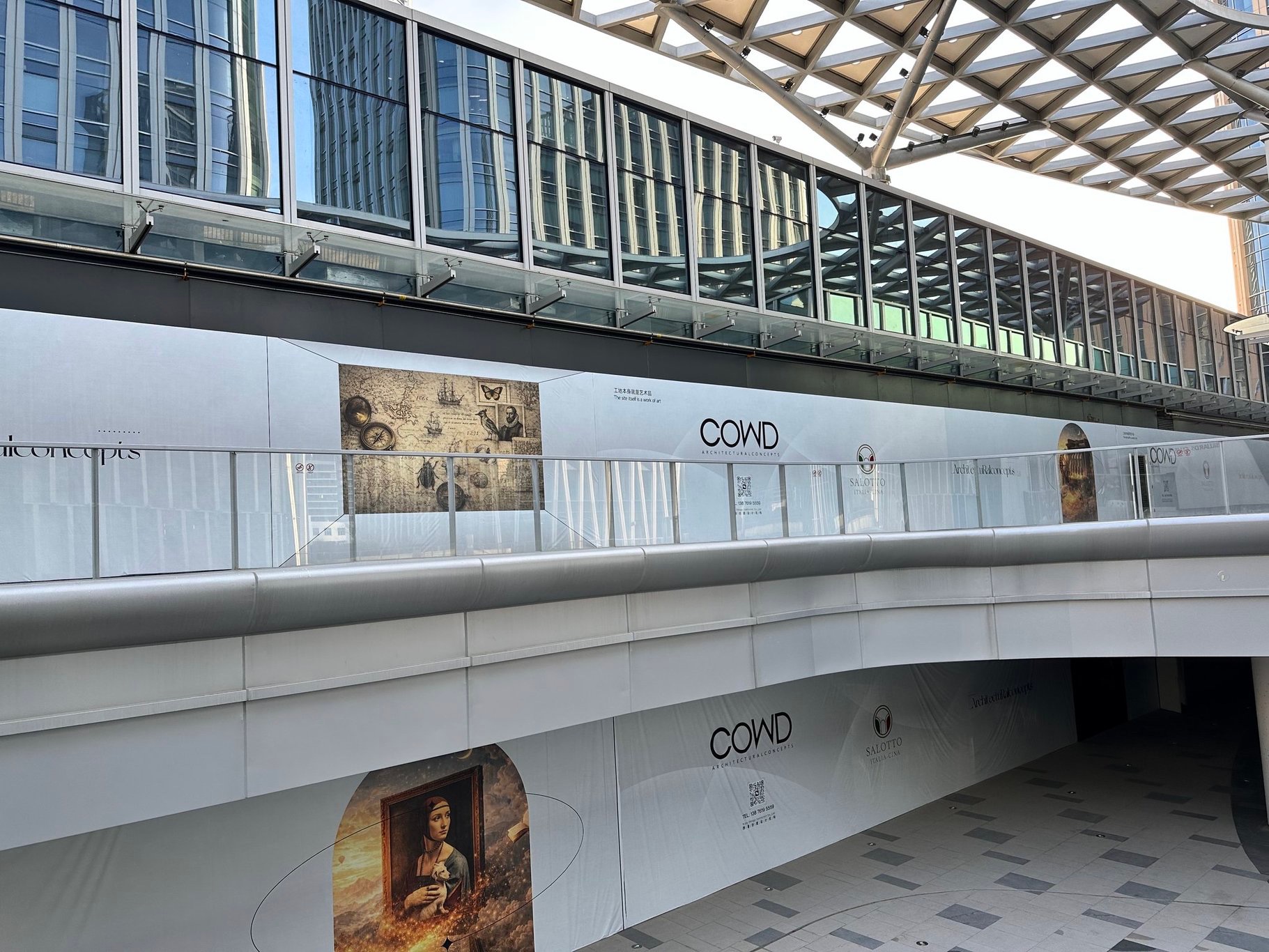
The museum, the Study Centre and Salotto Italia–Cina, an Italian cultural salon in Sanya, share a building and a common origin, with different functions. Co-founded by Amalart with Chinese partners, the Salotto sustains dialogue between companies and institutions in both countries.
Our first conversation explores how a story, a work or a cultural project can reach a new audience.