Exhibitions / Research

Modigliani.I volti della modernità.Modigliani, Faces of Modernity

The people, places and stories behind the faces.

An exhibition project developed over time to introduce audiences to the people, places and stories that run through Modigliani's work.

Read the story of the 2026 edition →

Amalart's role · Narrative development, visitor journey design, coordination and communication, according to the scope of each edition.

The project
Official teaser · Modigliani, Faces of Modernity
The curatorial choice

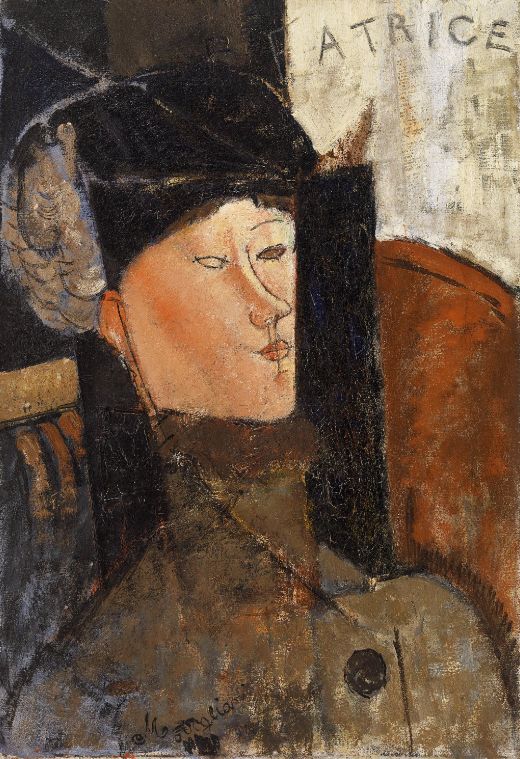
Every painted face represents a person.
The narrative begins when that face meets its story.

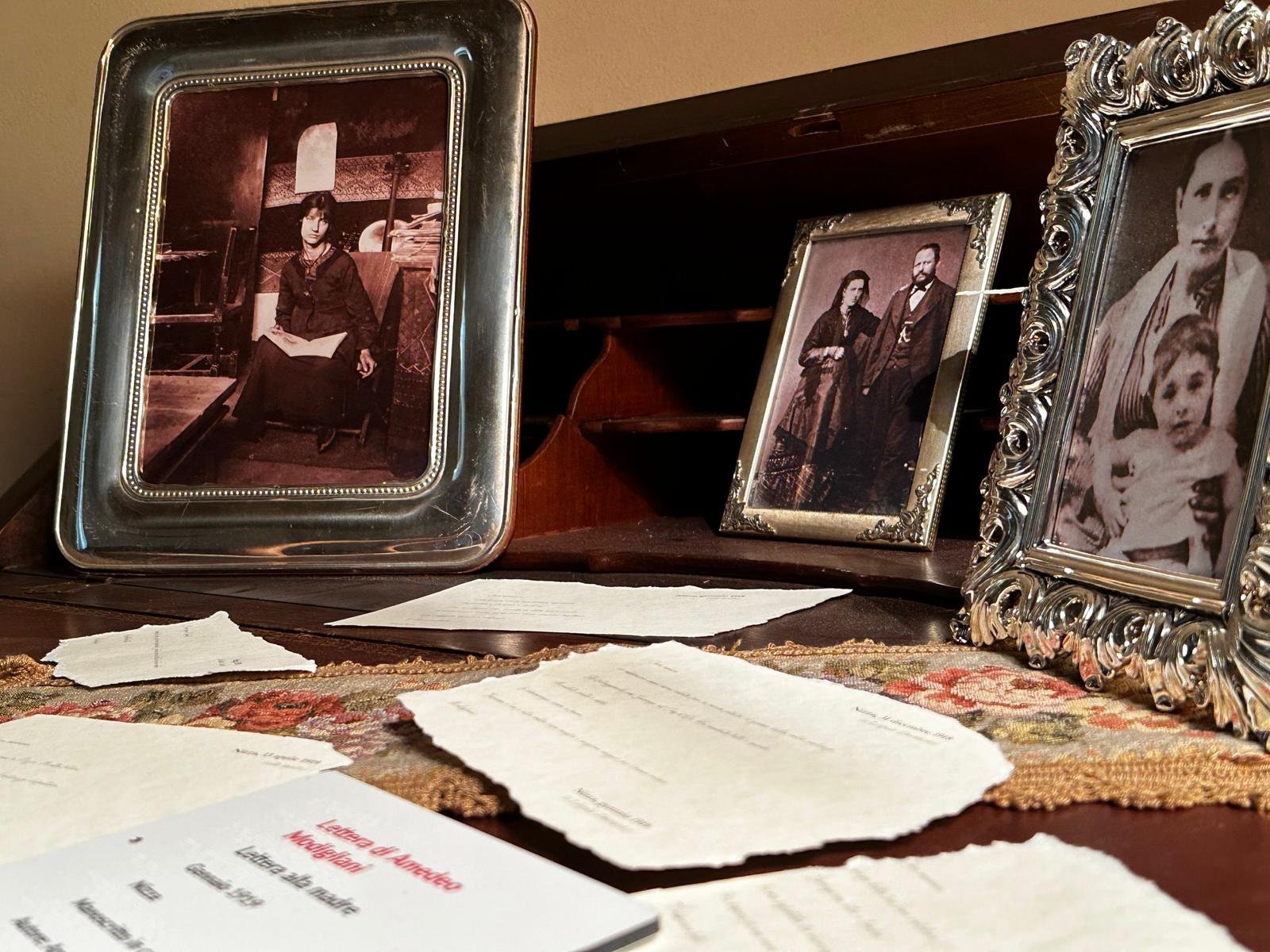
Framed historical photographs and letters displayed on a writing desk
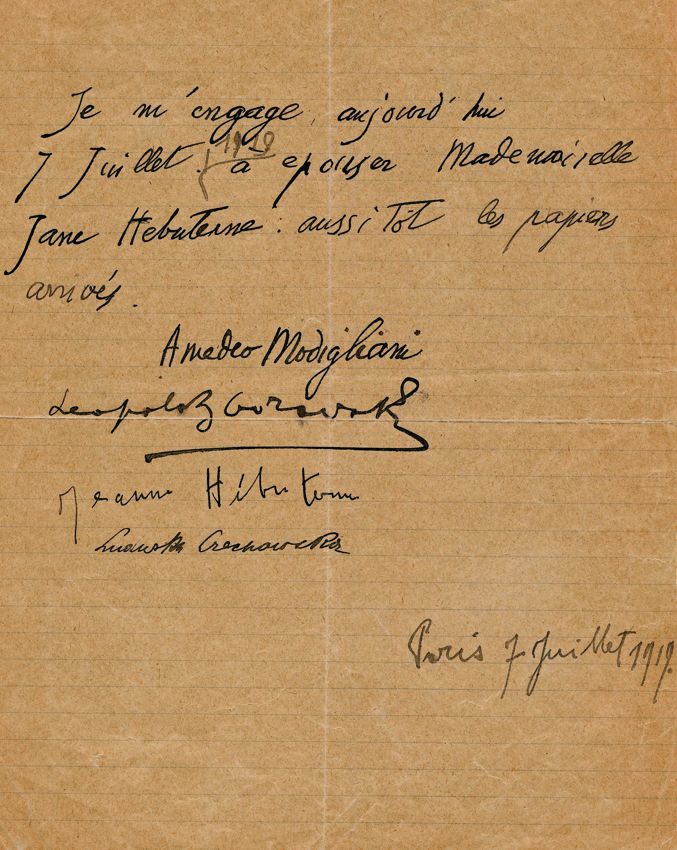
Letters and photographs reveal everyday aspects of the artist's biography. Exhibition design detail, photograph supplied by Amalart.
01 / STARTING POINT

Getting to know the people.

The women he portrayed, his friends and the places of his Parisian life. Our Modigliani exhibitions begin with the relationships that run through his painting. Photographs, letters and personal accounts connect the works to the stories of his life.

02 / DESIGN CHOICE

Giving the narrative a setting.

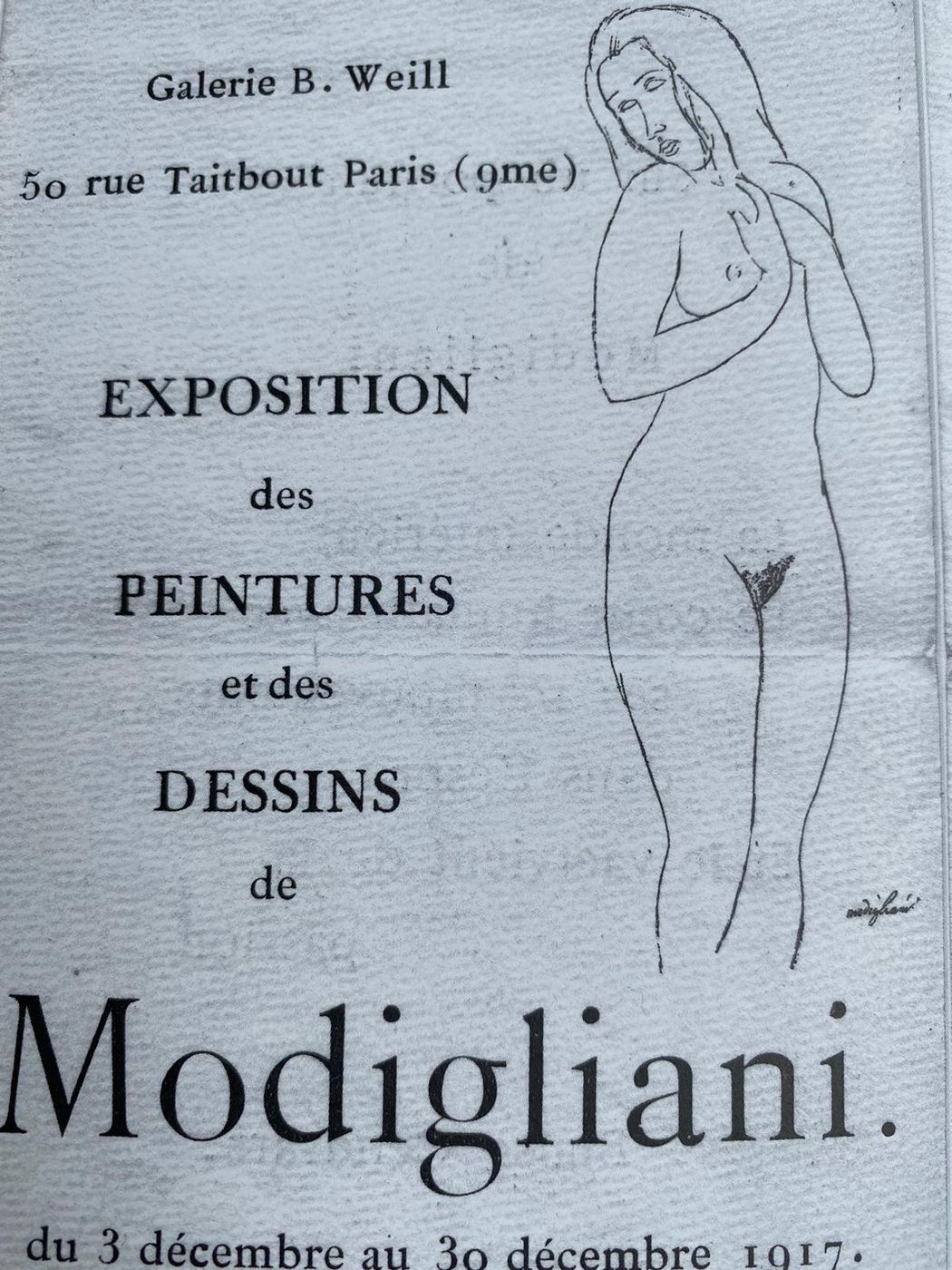
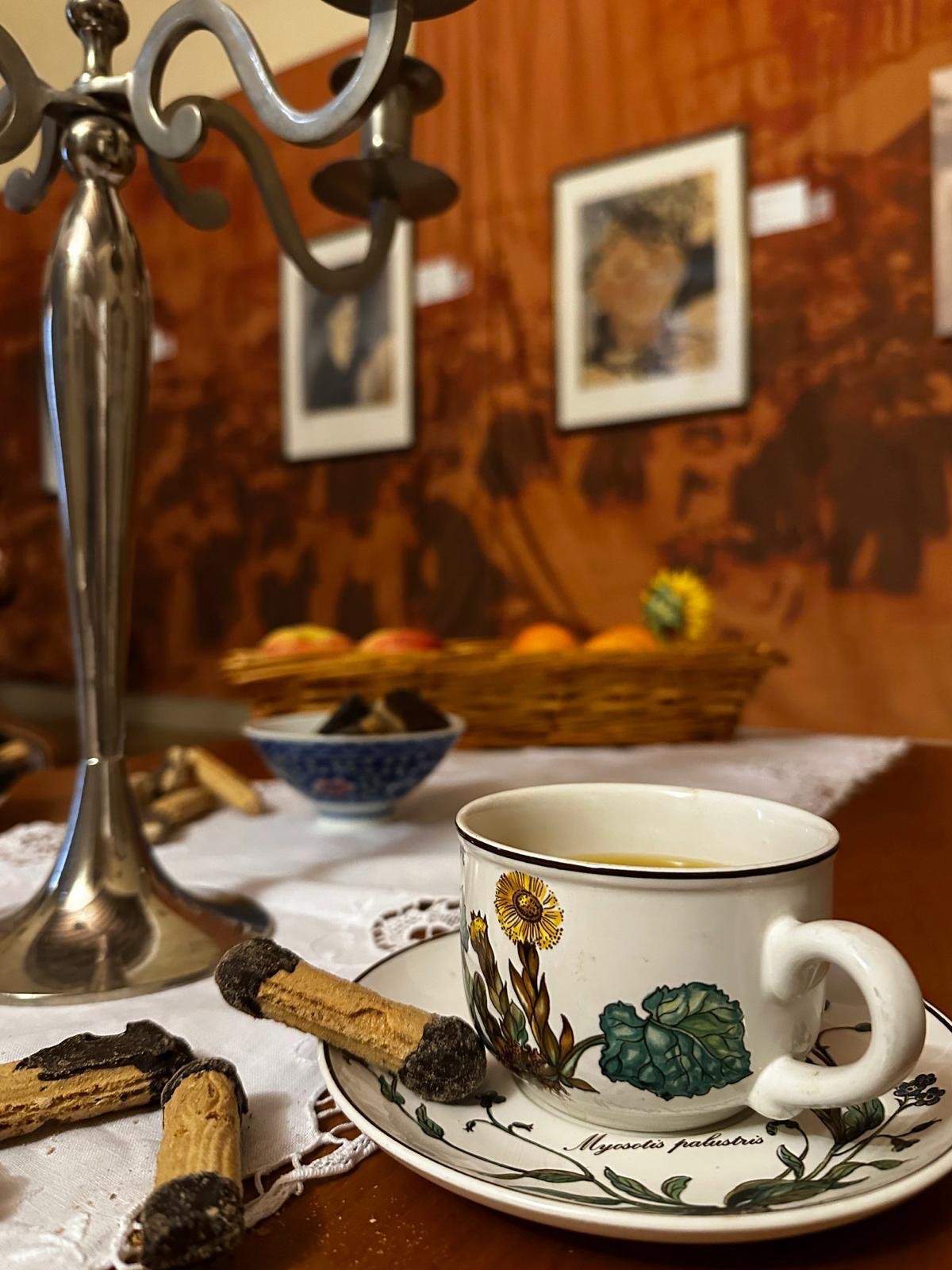
Photographs, letters and images of the works create an exhibition route into the artist's world. Reconstructed settings evoke places and give the stories a physical form. The role of certified lithographic editions and backlit reproductions is clearly stated in each edition.

03 / EXPERIENCE

Leaving room for discovery.

The exhibition route offers several ways to engage: moving through the rooms, exploring digital material and taking part in school activities. Braille and QR-accessible content, included in more recent editions, extend this approach. Each venue requires choices tailored to its spaces and audiences.

The exhibition labels

Every work has a second label.

In the exhibition each label carries a QR code that opens an in-depth page, in Italian and English: who the sitter was, how the work is made, and a question for discussion with school groups. The women portrayed are presented as real people, with a name, a profession and a story. Here are three of them.

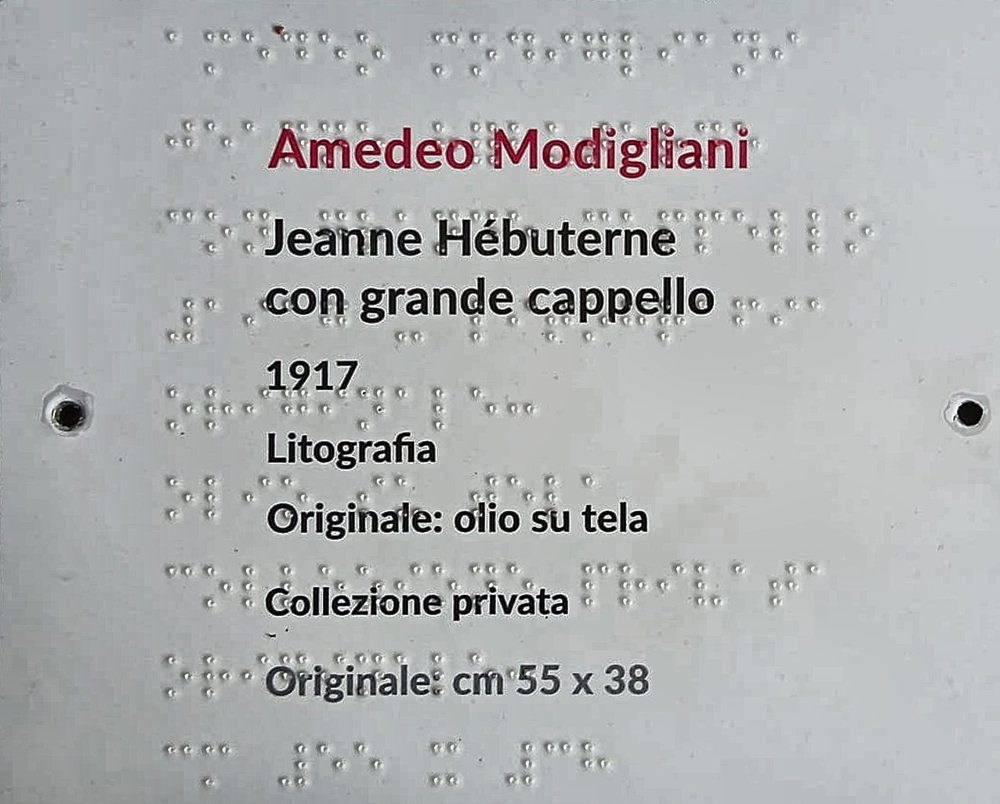
Braille label for Jeanne Hébuterne with a Large Hat: printed text and raised dots on a white plate

The same label, in braille.

Next to every work there is also a braille plate, with artist, title, date and technique in raised dots, so that blind and partially sighted visitors can follow the exhibition on their own. In the Cinisello Balsamo edition there were 35 braille labels, one for each work.

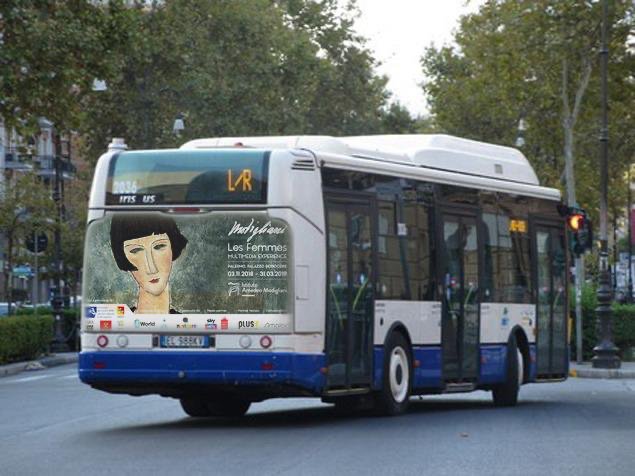
A bus displaying the communication campaign for a Modigliani exhibition
The urban campaign for one edition of the exhibition. Photograph supplied by Amalart.
Communication and promotion

The exhibition begins before the entrance.

Visual identity, the campaign, the website and a presence in public spaces prepare audiences for the exhibition and extend its narrative. Amalart brings together curation, design and communication to address the context of each edition.

Research over time

Experience gained between Italy and Asia informs work that changes with each context. Materials and the exhibition route are developed for each venue, connecting research on the artist with the audience's experience.

The work and the collaborations

Amalart
Narrative development, visitor journey design, coordination and communication, according to the scope of each edition.
Lithographic editions
Giuliano Grittini, numbered editions.
Photographs
Materials supplied by Amalart from several exhibitions.

Modigliani in a new context.

An institution, a venue and an audience to engage. Let's discuss a project suited to your venue.

Let's talk