When a person becomes an image.
Marilyn, Elvis, Mao and the figures in Warhol's work offer an immediate point of entry. The project shifts attention from the famous face to the process that makes it reproducible, recognisable and consumable.

A modular visitor journey through works, documents, cinema, music and digital media, exploring Andy Warhol's world.
Amalart's role · Format conception and development, experience design and communication.
The project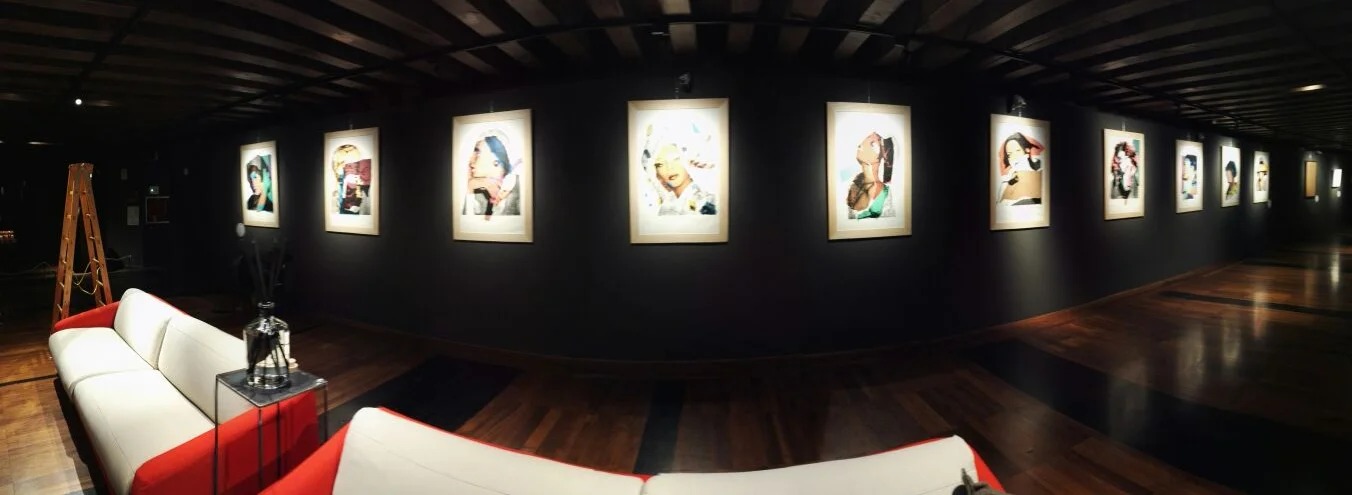
Behind a face that has become an icon is a person. Around that image is a system that makes it public: the Factory, the media, celebrity and repetition.
Marilyn, Elvis, Mao and the figures in Warhol's work offer an immediate point of entry. The project shifts attention from the famous face to the process that makes it reproducible, recognisable and consumable.
The works are presented alongside historical and audiovisual material on New York in the 1960s and 1970s, the Factory and Studio 54. The exhibition route clearly distinguishes original works, documents and digital interpretations.
Film, sound and interactive media offer different ways to encounter Warhol. Each edition selects the tools appropriate to the venue and audience. Technology has a defined purpose.
The format adapts to different collections and spaces. Its sequence remains recognisable. Works, loans and interpretive materials are agreed with the content holders for each edition.
Where art, cinema, music and the making of celebrity meet.
The portrait as a public surface, and the relationship between the individual, fame and repetition.
Brands and everyday objects enter art and raise questions about collective desire.
Skulls, camouflage and self-portraits open up the narrative to the fragility behind the image.
The format retains its structure and is redesigned for each venue, according to the available works, spaces and audiences.
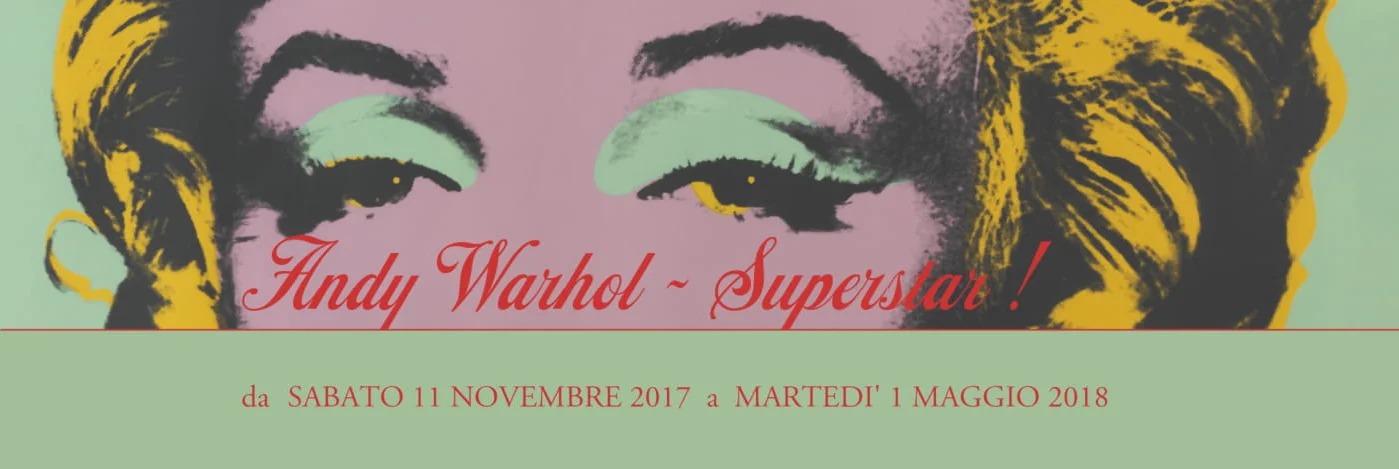
The title, public narrative and communication materials prepare audiences for the exhibition. The familiarity of Warhol's images opens up a wider exploration of art, celebrity and consumption.
The available collection, venue and context shape each new edition. Our first conversation defines its scope.